이 포스팅은 쿠팡 파트너스 활동의 일환으로, 이에 따른 일정액의 수수료를 제공받습니다.
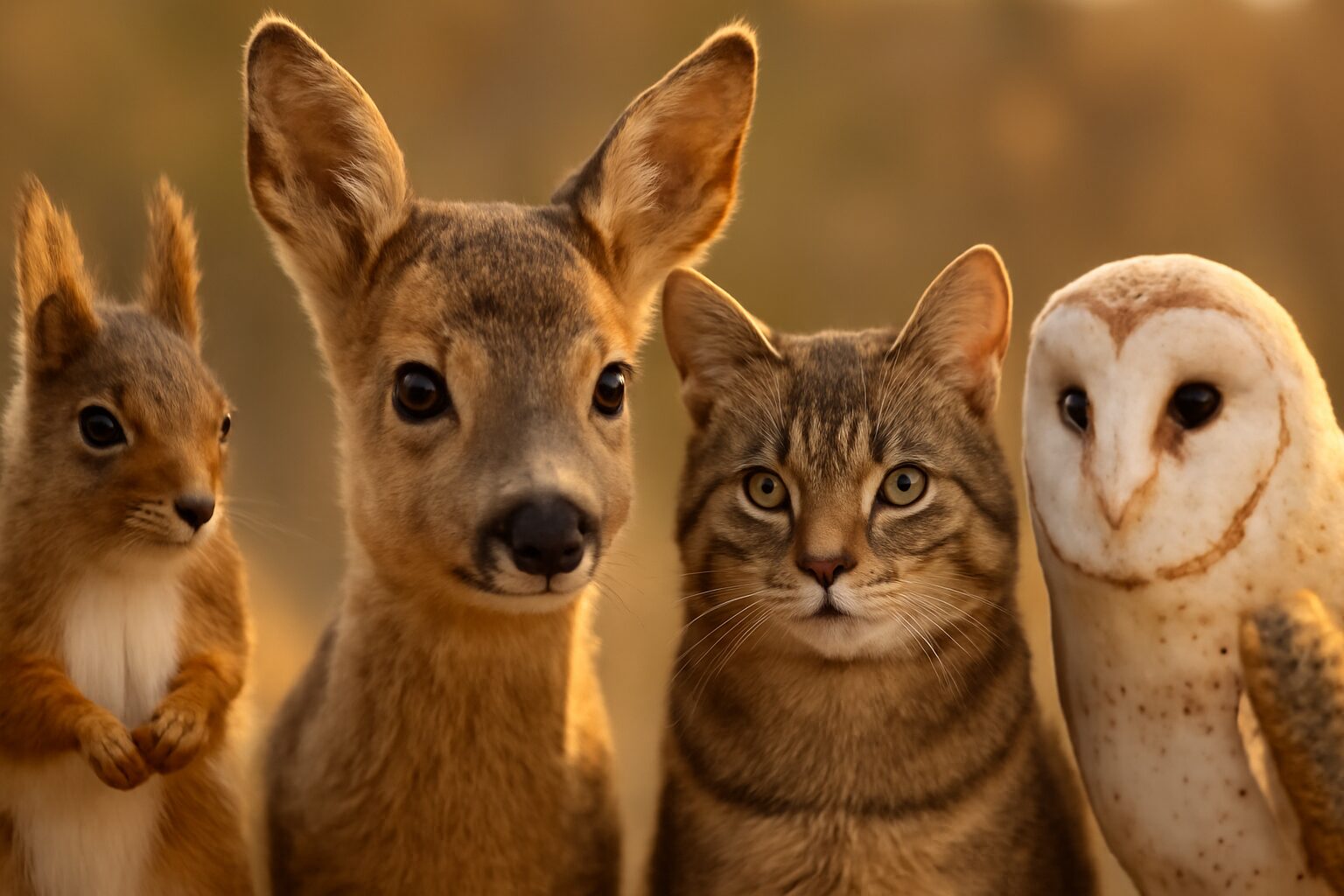
Have you ever stopped in your tracks to marvel at an animal doing something astonishing, something that seems almost too incredible to be true? From the cunning strategies of octopuses to the extraordinary migrations of birds, the animal kingdom is packed with stories that fascinate, challenge our understanding, and sometimes even redefine what we think is possible. If you’re a curious soul yearning to uncover some of the most interesting, surprising, and downright mind-blowing facts about animals, then this article is your ultimate guide. Prepare to dive into a world where nature’s ingenuity knows no bounds, and every creature has a story worth telling.
Unveiling Nature’s Masters of Disguise and Deception
The Chameleon’s Color-Changing Mastery
When we think of animals that can change their appearance, chameleons often come to mind. But did you know that some species can switch their colors in less than 30 seconds? Their incredible ability is not just for camouflage; it’s a sophisticated form of communication, temperature regulation, and even mood expression. For example, the Panther Chameleon can display up to 100 different color patterns, each signaling different intentions or states.
This rapid color change is driven by specialized skin cells called chromatophores, which contain different pigments. When a chameleon wants to change color, its nervous system signals these cells to expand or contract, revealing different pigments and creating a spectrum of hues. Actionable tip: If you’re ever in a wildlife reserve, spotting a chameleon with vibrant hues might be a sign of excitement or stress—so observe their environment to understand their mood better.
Silkworms and Their Hidden Talents
While silkworms are best known for producing silk, some astonishing facts lurk beneath this simple image. Did you know that researchers are exploring their genomes to develop environmentally friendly textiles? Beyond that, silkworms also have the ability to produce a substance called fibroin, which is incredibly strong and lightweight—making it a promising material for medical sutures, bulletproof clothing, and biodegradable packaging.
In fact, recent experiments have demonstrated that silkworm cocoons can be engineered to contain medicinal compounds, offering a natural platform for drug delivery. This means that, in the future, you might wear silk not just for fashion but as part of advanced medical therapies.
The Extraordinary Navigational Skills of Animals
Birds That Travel Thousands of Miles
Every year, countless bird species undertake migrations spanning thousands of miles, navigating with astonishing precision. The Arctic Tern, for example, travels from its breeding grounds in the Arctic to the Antarctic and back—covering around 25,000 miles annually. How do they manage such feats? Scientists believe that they use a combination of solar cues, stars, Earth’s magnetic field, and even olfactory signals to find their way.
Studies have shown that some migratory birds possess a magnetic compass in their eyes, allowing them to ‘see’ Earth’s magnetic field as a visual pattern. This helps them stay on course even during overcast conditions or at night. Actionable tip: If you’re interested in bird watching, note the time of year and local migration patterns—these are the best opportunities to witness such awe-inspiring journeys firsthand.
Sea Turtles’ Magnetic Map
Sea turtles, like the loggerhead, can travel thousands of miles across oceans to return to the exact beach where they hatched. Remarkably, they seem to use Earth’s magnetic field as a natural map. Researchers have identified that these turtles have magnetic sensors in their brains, enabling them to ‘remember’ the magnetic signature of their natal beaches. This navigational prowess is vital for their survival, especially given the impact of climate change and habitat loss.
Scientists are studying this natural GPS to improve conservation efforts, highlighting how understanding animal navigation can help protect endangered species. If you’re passionate about wildlife conservation, supporting organizations that focus on protecting migratory routes and habitats is a meaningful action.
Animals with Astonishing Intelligence and Problem-Solving Skills
Octopuses: Masters of Camouflage and Problem Solving
The octopus is often dubbed the “Einstein of the sea” because of its extraordinary intelligence. These creatures can solve complex puzzles, open jars, and even escape from seemingly secure tanks. For example, in one famous experiment, an octopus was able to unscrew a jar lid to access food inside—demonstrating foresight and dexterity.
What makes octopuses so intelligent? They have a large brain relative to their body size, with a highly developed nervous system and a decentralized network of neurons in their arms that can operate independently. This allows each limb to problem-solve, explore, and manipulate objects without direct brain oversight.
Actionable tip: If you’re interested in observing animal intelligence, visit an aquarium that showcases octopuses engaging in enrichment activities or puzzle feeders. Their behavior can teach us about adaptability and problem-solving in the animal world.
Crows and Their Tool Use
Crows have long fascinated scientists due to their extraordinary cognitive abilities. In multiple experiments, they have been observed creating and using tools—like fashioning sticks to extract insects from tree bark. Some even drop nuts onto roads to crack them open, waiting patiently for traffic to pass before retrieving their meal.
In Japan, researchers documented crows in the city of Sendai using traffic as a tool—dropping nuts onto crosswalks to be cracked open by passing cars. This behavior demonstrates not just problem-solving, but also a level of planning and understanding of causality that was once thought unique to humans.
Actionable tip: To see intelligent animals in action, visit urban parks or natural reserves where crows are active. Observing their clever behaviors can inspire ideas about innovation, adaptability, and learning from nature.
Animals Exhibiting Unique and Surprising Behaviors
Elephants’ Emotional and Social Intelligence
Elephants are renowned for their complex social structures, empathy, and even mourning behaviors. They have been observed performing rituals around the bones of their deceased, often revisiting these sites years later. These behaviors suggest a deep understanding of life and death, with a memory that can last for decades.
Moreover, elephants display remarkable emotional intelligence, helping injured herd members and even cooperating across different herds. Their sense of family and community is so strong that they can recognize themselves in mirrors—a sign of self-awareness few animals possess.
Insight tip: If you want to learn more about animal emotions, documentaries and wildlife sanctuaries offer opportunities to observe elephant behavior firsthand. Supporting ethical conservation initiatives helps ensure future generations can appreciate these magnificent creatures.
Fireflies’ Bioluminescent Light Shows
One of the most enchanting animal behaviors is the synchronized flashing of fireflies. In certain species and locations, thousands of fireflies coordinate their light displays in perfect harmony—a spectacle that can leave you breathless. This behavior is not just for attracting mates; recent research indicates it also serves to ward off predators and establish territory.
Scientists have studied this synchronized flashing as an example of collective behavior and self-organization. It turns out that each firefly adjusts its flashing pattern based on its neighbors, creating stunning light shows that are the result of simple local rules leading to complex, coordinated patterns.
Actionable tip: If you love observing nature’s light shows, plan a trip to areas famous for firefly displays, such as Southeast Asia or the southern United States, during the peak season. Capture these moments with slow shutter speeds to preserve their magic and appreciate animal communication in action.
Key Takeaways
- Animals exhibit extraordinary skills in disguise, navigation, intelligence, and social behavior, showcasing nature’s ingenuity.
- Understanding these behaviors can deepen our appreciation and inspire innovative solutions in technology, conservation, and daily life.
- Supporting wildlife conservation and observing animals ethically helps preserve their fascinating behaviors for future generations.
In the grand tapestry of life, animals continue to surprise us with their abilities, resilience, and complexity. Each discovery not only enriches our knowledge but also reminds us of the intricate and interconnected world we share. So next time you spot a bird soaring, a clever crow, or a shimmering firefly, pause for a moment—you’re witnessing the astonishing depths of animal ingenuity at work.
This article was written with the assistance of AI. While we strive for accuracy, information may contain errors. Please verify important details from official sources.