이 포스팅은 쿠팡 파트너스 활동의 일환으로, 이에 따른 일정액의 수수료를 제공받습니다.
Imagine a world where your gut isn’t just digesting food but also quietly shaping your mood, anxiety levels, and mental clarity. Sounds like something out of a science fiction novel, right? But what if I told you that your emotional well-being could be directly linked to the health of your digestive system? Welcome to the fascinating and often overlooked realm of the gut-brain connection—a hidden highway of communication that influences how you feel every single day.
The Surprising Science Behind Gut and Mood Connection
It might seem improbable that your stomach could have anything to do with your feelings, but emerging scientific research reveals a complex, bidirectional communication system known as the gut-brain axis. This network involves neural, hormonal, and immune pathways that constantly send signals between your gut and your brain.
For decades, scientists thought the brain was the sole boss when it came to mental health, but recent discoveries reveal that up to 90% of the body’s serotonin—a neurotransmitter known for regulating mood—resides in the gut. This is a staggering statistic that underscores just how intertwined our digestive health is with our emotional states.
In fact, studies show that people with certain gut issues, such as irritable bowel syndrome (IBS), often experience higher levels of anxiety and depression. Conversely, managing gut health can lead to significant improvements in mental well-being. It’s a two-way street—your mood can affect your gut, and your gut health can influence your mood.
The Mechanisms Linking Gut Health and Mood
Neurotransmitter Production
As mentioned earlier, roughly 90% of serotonin is produced in the gut. Gut bacteria synthesize various neurotransmitters—including dopamine, gamma-aminobutyric acid (GABA), and norepinephrine—that help regulate mood and anxiety. When your gut microbiome is balanced, it supports optimal neurotransmitter production, which can stabilize your emotions and improve mental clarity.
The Role of Gut Microbiota
The trillions of bacteria residing in your digestive tract form a complex ecosystem called the microbiome. These microbes influence your mood through several pathways:
- Metabolite production: Gut bacteria produce metabolites like short-chain fatty acids (SCFAs) such as butyrate, which have anti-inflammatory effects and can cross the blood-brain barrier to influence brain function.
- Immune modulation: An imbalanced microbiome can trigger chronic inflammation—a key factor in depression and anxiety.
- Vagus nerve signaling: The vagus nerve acts as a direct line of communication between the gut and the brain, transmitting feelings of distress or calm depending on the microbiome’s health.
Inflammation and Mood Disorders
Persistent gut inflammation disrupts the production and regulation of neurotransmitters, leading to mood disorders. For instance, increased intestinal permeability—commonly called “leaky gut”—allows harmful substances to enter the bloodstream, triggering systemic inflammation that can impair brain function. Research indicates that reducing gut inflammation can alleviate symptoms of depression and anxiety.
How to Improve Your Gut for Better Mood: Actionable Tips
1. Prioritize a Diverse Diet Rich in Fiber
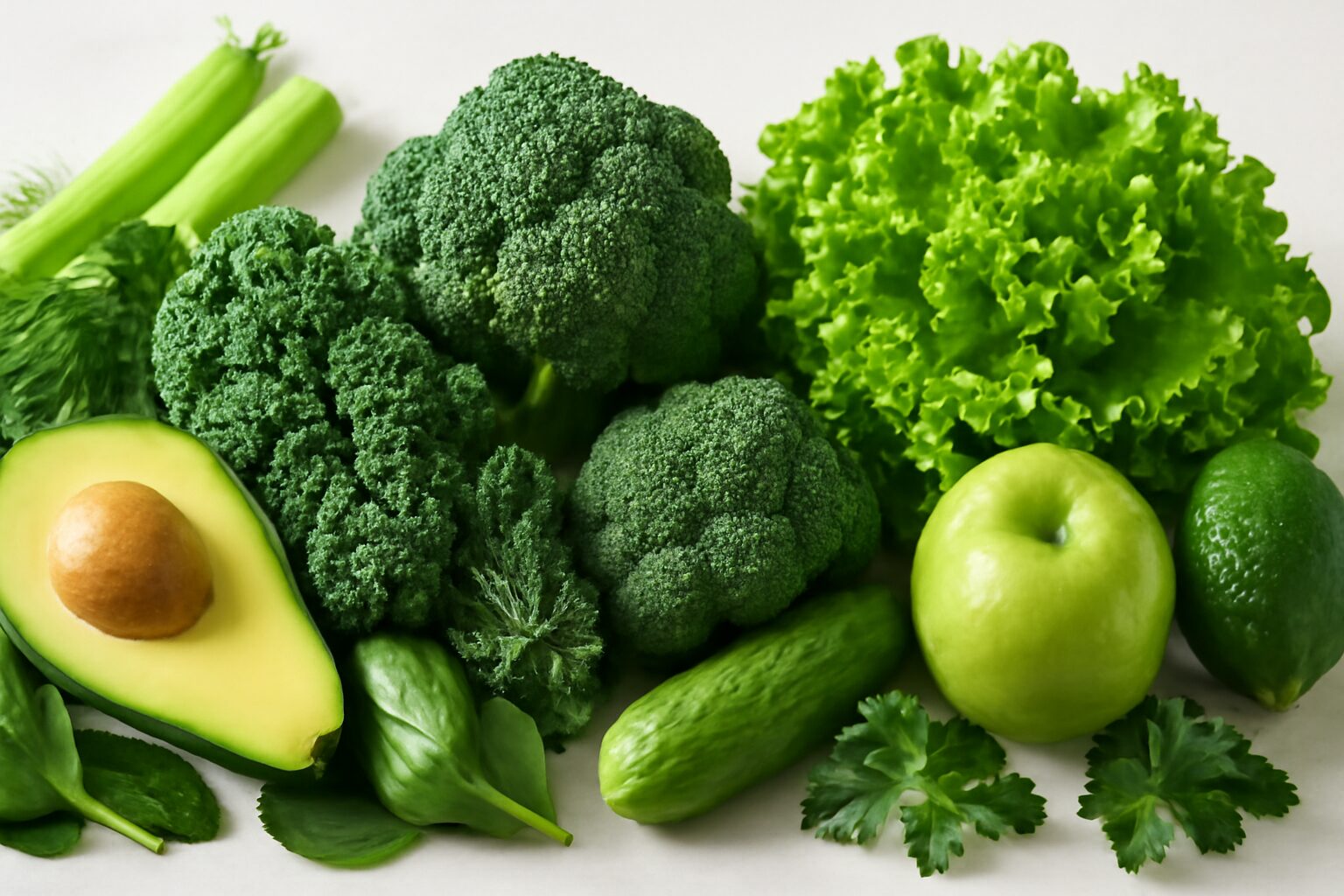
Diet is the foundation of a healthy microbiome. Aim for at least 25-30 grams of fiber daily from sources like vegetables, fruits, legumes, and whole grains. Dietary diversity supports a broad spectrum of beneficial bacteria, which produce a variety of mood-enhancing metabolites.
2. Incorporate Fermented Foods
Fermented foods are naturally rich in probiotics—the beneficial bacteria that promote gut balance. Examples include:
- Yogurt with live cultures
- Sauerkraut
- Kombucha
- Kefir
- Kimchi
Start with a small serving daily and monitor how your digestion and mood respond over time.
3. Limit Processed Foods and Excess Sugar
High consumption of processed foods, artificial sweeteners, and sugar can disrupt the microbiome’s balance, leading to inflammation and mood swings. Opt for whole, unprocessed foods whenever possible.
4. Take a Quality Probiotic Supplement
While dietary sources are preferable, probiotic supplements can help restore microbiome diversity. Look for strains like Lactobacillus rhamnosus and Bifidobacterium longum, which have been linked to reduced anxiety and depression in studies. Consult a healthcare professional before starting any new supplement regimen.
5. Manage Stress Effectively
Chronic stress negatively impacts gut health by altering microbiota composition. Practice mindfulness, meditation, or yoga to reduce stress levels, which in turn benefits both your gut and your mood.
6. Get Adequate Sleep
Sleep deprivation affects gut microbiota diversity and increases inflammation. Aim for 7-9 hours of quality sleep per night to support both mental and digestive health.
7. Regular Physical Activity
Exercise promotes microbiome diversity and reduces systemic inflammation. Even a 30-minute brisk walk daily has been shown to positively influence gut health and mood.
Understanding the Power of Your Microbiome: Real-Life Examples and Numbers
Let’s look at some compelling data:
- Study 1: In a 2016 study, patients with major depressive disorder had significantly less diverse gut bacteria compared to healthy controls.
- Study 2: Mice given probiotics showed reduced anxiety-like behavior, highlighting the microbiome’s influence on mood.
- Example: A woman with chronic IBS reported feeling markedly happier after six weeks of a probiotic regimen combined with dietary adjustments—her anxiety scores decreased by 35%, and her gut symptoms improved by 50%.
These numbers aren’t just numbers—they represent real improvements in quality of life, achieved by nurturing your gut microbiome.
Key Takeaways
- Your gut microbiome profoundly influences your mood through neurotransmitter production, immune modulation, and nerve signaling.
- Diet, lifestyle, and stress management are crucial for maintaining a healthy gut-microbe balance and, consequently, emotional well-being.
- Small, consistent changes—like eating fermented foods, reducing processed sugar, and managing stress—can lead to significant improvements in mental health over time.
In the end, paying attention to your gut isn’t just about digestion; it’s about nurturing the very foundation of your mental health. Your mood, anxiety, and overall emotional resilience are intricately tied to the health of your microbiome. By adopting simple, actionable habits today, you can unlock the power of your gut to improve your mood and enhance your quality of life. Remember, a happy gut can lead to a happier you!
This article was written with the assistance of AI. This is general health information and not medical advice. Please consult a healthcare professional for medical concerns.