이 포스팅은 쿠팡 파트너스 활동의 일환으로, 이에 따른 일정액의 수수료를 제공받습니다.
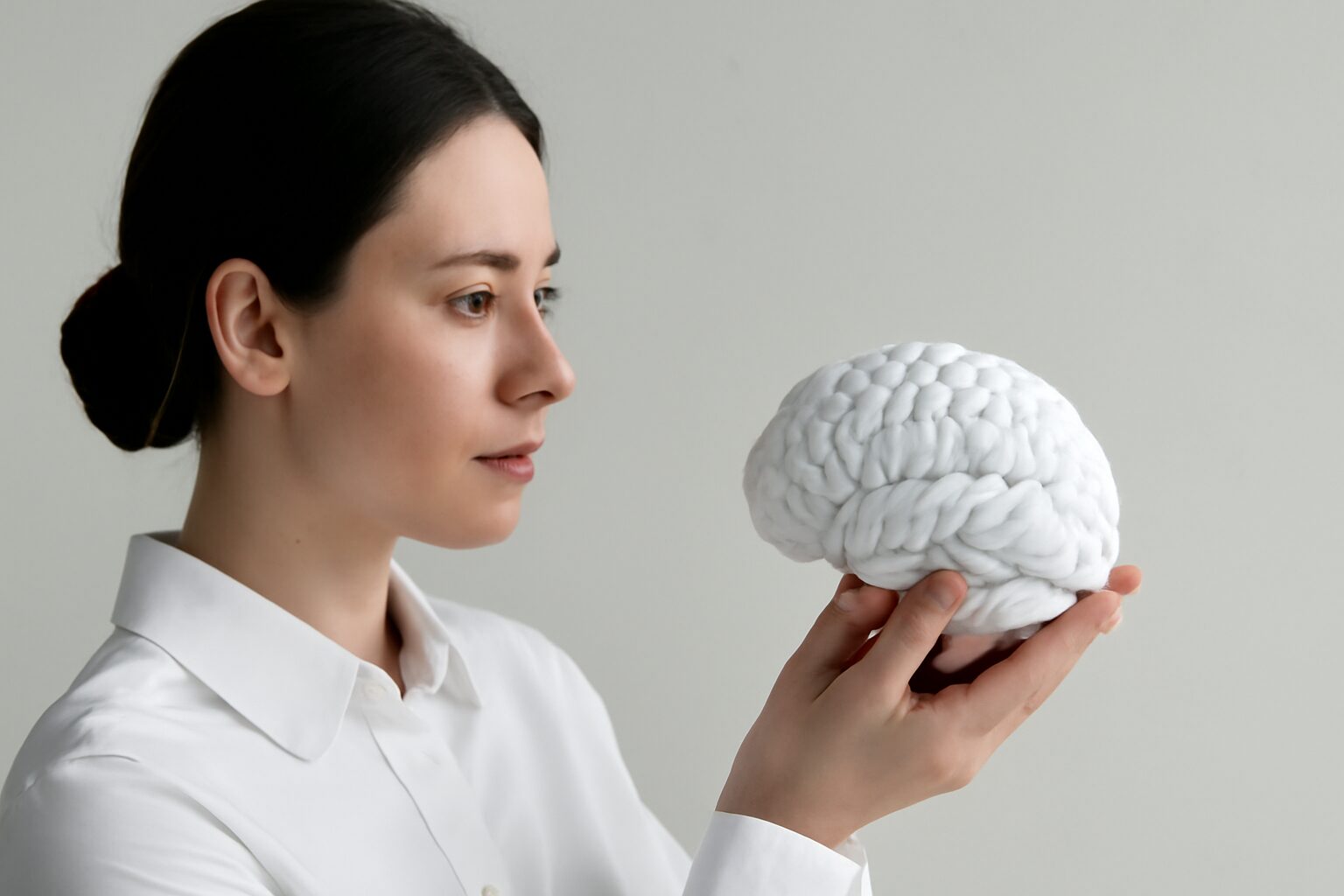
Have you ever wondered why some people seem to bounce back from setbacks effortlessly, while others struggle to move forward? Or why certain habits stick with us, shaping our personalities more than we realize? Psychology offers fascinating insights into these questions, revealing the hidden mechanics of our minds and behaviors. Whether you’re a curious reader or someone looking to harness the power of psychology to improve your life, this article will delve into some of the most intriguing and practical findings from the world of psychology. Prepare to uncover secrets about your mind that could change the way you see yourself—and others.
Unraveling the Power of the Mind: The Science Behind Human Behavior
At its core, psychology is the study of human behavior and mental processes. Over the decades, research has uncovered astonishing facts about why we think, feel, and act the way we do. For example, did you know that our brains are wired to seek social connection? Or that a simple shift in perspective can dramatically alter your emotional response? Understanding these mechanisms not only satisfies curiosity but also equips us with tools to navigate daily life more effectively.
The Neuroscience of Habit Formation
One of the most practical discoveries in psychology concerns habits. Researchers estimate that approximately 45% of our daily actions are habitual—done automatically without much conscious thought. The process involves three key components: the cue, the routine, and the reward.
- Cue: A trigger that signals the brain to start the habit (e.g., feeling stressed).
- Routine: The behavior itself (e.g., snacking, smoking).
- Reward: The positive outcome that reinforces the habit (e.g., feeling relaxed).
Understanding this cycle allows us to modify habits by identifying cues and replacing routines while keeping the same reward. For instance, if stress triggers your nail-biting habit, substituting stress-relief techniques like deep breathing or a squeeze ball can disrupt the cycle.
The Psychology of Motivation: What Drives Us?
Motivation has long puzzled psychologists. Why do some people stay committed to their goals while others give up? The answer often lies in understanding intrinsic versus extrinsic motivation. Intrinsic motivation comes from within—doing something because it’s inherently satisfying—whereas extrinsic motivation relies on external rewards like money or praise.
Studies show that intrinsic motivation leads to greater persistence and satisfaction. For example, a 2014 study published in the *Journal of Personality and Social Psychology* found that people who engaged in activities because they found them enjoyable were more likely to stick with them long-term than those motivated solely by external rewards.
Actionable Tip: Focus on cultivating intrinsic motivation by connecting your activities to personal values and passions. For example, if you want to exercise more, find a sport or activity you genuinely enjoy rather than forcing yourself into a routine solely for weight loss.
The Psychology of Emotions: Managing Feelings for Better Well-being
Emotions are powerful forces that influence every aspect of our lives. Understanding how they work can help us manage stress, build resilience, and foster happiness. Recent research highlights that emotions are not just reactions but rather information that guides our behavior.
The Role of Emotional Intelligence
Emotional intelligence (EI) refers to the ability to recognize, understand, and manage our own emotions, as well as empathize with others. A high EI is linked to better relationships, career success, and mental health. According to psychologist Daniel Goleman, EI consists of five components:
- Self-awareness — Recognizing your own emotions.
- Self-regulation — Managing your emotional responses.
- Motivation — Using emotions to pursue goals.
- Empathy — Understanding others’ emotions.
- Social skills — Navigating social situations effectively.
Practicing mindfulness and reflective journaling can enhance self-awareness, while deep breathing exercises can help regulate strong emotions in real time.
Reframing Negative Thoughts
Often, our emotional distress stems from negative thought patterns. Cognitive-behavioral therapy (CBT) research shows that reframing these thoughts can significantly improve mental health. For example, instead of thinking, “I am terrible at this,” try, “I am learning and improving each day.”
Actionable Tip: When faced with a negative thought, challenge it by asking:
- Is this thought based on facts or assumptions?
- What evidence supports or contradicts this thought?
- Can I view this situation from a different, more positive perspective?
This practice of cognitive reframing fosters resilience and reduces emotional suffering.
The Social Side of Psychology: Influence, Persuasion, and Relationships
Humans are inherently social beings, and psychology has uncovered powerful insights into how we influence and are influenced by others. Whether trying to persuade a colleague or maintain a healthy relationship, understanding these dynamics can be transformative.
The Principles of Persuasion
Psychologist Robert Cialdini identified six principles that underpin successful persuasion:
- Reciprocity: People tend to return favors. Small acts of kindness can create a sense of obligation.
- Commitment and Consistency: Once people commit to something, they are more likely to follow through.
- Social Proof: We look to others’ behaviors to determine what’s correct, especially in uncertain situations.
- Authority: We tend to follow advice from perceived experts.
- Liking: We are influenced by people we like or find relatable.
- Scarcity: Limited availability increases desirability.
Actionable Tip: Use these principles ethically—offer genuine value, build rapport, and highlight scarcity only when appropriate to enhance your influence.
Building Better Relationships with Psychological Insights
Effective communication, empathy, and understanding psychological needs foster stronger relationships. Active listening—giving full attention and reflecting back what you hear—can improve mutual understanding. Additionally, expressing appreciation and practicing vulnerability can deepen bonds.
A 2012 study in the *Journal of Social and Personal Relationships* found that couples who practiced gratitude reported higher relationship satisfaction. Small acts like saying “thank you” or acknowledging effort can have a big impact.
Key Takeaways
- Habits are driven by cues, routines, and rewards; understanding this cycle helps in habit change.
- Intrinsic motivation fosters long-term engagement; connect activities to personal passions for better adherence.
- Emotional intelligence and cognitive reframing empower better emotional regulation and resilience.
- Leveraging principles like reciprocity and social proof enhances influence ethically; strong relationships thrive on gratitude and active listening.
By exploring the intricate workings of the human mind through psychology, we gain powerful tools to improve every aspect of our lives—our habits, emotions, motivations, and relationships. The good news? These insights are accessible to everyone and can be applied today. So, start small: reflect on your habits, practice gratitude, or reframe a negative thought. The more you understand your mind, the better you can shape your future.
This article was written with the assistance of AI. While we strive for accuracy, information may contain errors. Please verify important details from official sources.