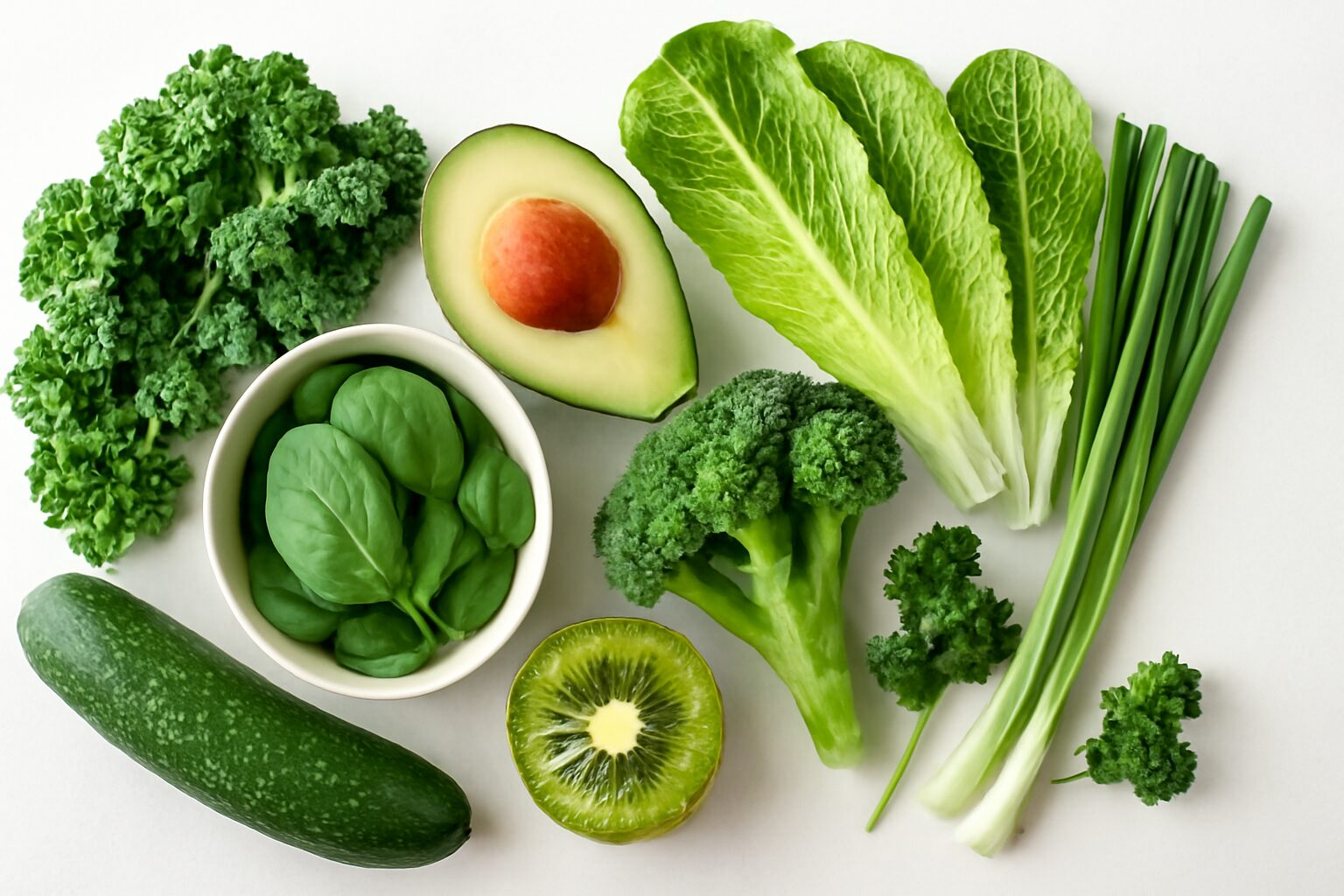
Imagine you’re at your local grocery store, wandering down the aisles, picking up your usual staples—bananas, spinach, chicken breasts. But what if I told you there are powerful superfoods out there, hiding in plain sight, that could dramatically boost your health, energy, and even longevity? Better yet, many of these underrated superfoods are affordable, easy to incorporate into your daily routine, and packed with nutrients you never knew you needed. Sounds intriguing, right? Stick with me, because today we’re uncovering the best superfoods you’re probably not eating—and why you absolutely should start.
Why You Should Care About Superfoods (Even the Hidden Gems)
Superfoods have become a buzzword in health circles—and for good reason. They are nutrient-dense foods packed with vitamins, minerals, antioxidants, and other beneficial compounds that support overall wellness. Typically, we hear about kale, blueberries, and salmon, but countless other superfoods fly under the radar. Incorporating these lesser-known superfoods into your diet can help:
Enhance immune function: Rich in antioxidants that fight off free radicals.
Boost energy levels: Nutrients that support mitochondrial function and reduce fatigue.
Improve digestion: High fiber content that promotes gut health.
Prevent chronic diseases: Phytochemicals that reduce inflammation and oxidative stress.
Incorporating these foods isn’t about chasing the latest superfood fad but rather expanding your nutritional arsenal with proven, beneficial options.
The Top Superfoods You’re Not Eating—and Why You Should
1. Moringa: The Tree of Life
Moringa oleifera, often called the “miracle tree,” is a nutritional powerhouse native to India, Africa, and parts of Asia. Its leaves are incredibly nutrient-dense, offering a potent mix of vitamins, minerals, and phytochemicals. Just one tablespoon of dried moringa leaf powder provides:
Vitamin A: 9% of your daily needs
Calcium: 4% of your daily needs
Iron: 6% of your daily needs
Protein: 2 grams
Beyond these basic nutrients, moringa is rich in antioxidants like quercetin and chlorogenic acid, which can help combat inflammation and oxidative stress. Studies suggest moringa may support blood sugar regulation, boost brain health, and improve lipid profiles.
How to include moringa in your diet: Add a teaspoon of moringa powder to smoothies, soups, or teas. Its slightly earthy, peppery flavor complements many dishes. Start small—some people find it a bit bitter at first.
2. Black Garlic: Aging for Better Health
Many are familiar with raw garlic, but black garlic is the aged cousin with a sweeter, milder flavor and a treasure trove of health benefits. It’s produced by fermenting garlic bulbs at high temperatures for several weeks, turning the cloves black and intensifying their antioxidant content.
Black garlic contains about 10 times the antioxidants of raw garlic, including S-allyl cysteine, which has been linked to improved cardiovascular health, reduced inflammation, and even cancer prevention.
How to use black garlic: Mince it into salad dressings, mash it into hummus, or stir into stews for a subtle garlic flavor with added health perks. A little goes a long way—it’s potent and flavorful!
3. Seaweed: The Ocean’s Superfood
It’s surprising how many people overlook seaweed, yet it’s a nutritional goldmine. Varieties like nori, kelp, wakame, and dulse are rich in iodine, essential for thyroid function, and packed with vitamins A, C, E, K, and B-complex. Seaweed also contains unique antioxidants such as fucoxanthin, which has been studied for its anti-obesity effects.
One serving of nori (like in sushi) can provide over 200% of your daily iodine needs, supporting healthy hormone production. Seaweed is also high in fiber and omega-3 fatty acids, making it a great plant-based option for brain and heart health.
How to include seaweed: Use nori sheets for wraps, sprinkle dried kelp flakes over salads, or add wakame to miso soup. It’s versatile and offers numerous health benefits.
4. Amaranth: The Ancient Grain
Often overshadowed by quinoa and oats, amaranth is an ancient pseudo-grain that’s gluten-free and highly nutritious. It’s a complete protein, meaning it contains all nine essential amino acids, making it an excellent option for vegetarians and vegans.
Amaranth is also rich in dietary fiber, magnesium, iron, and calcium. Its high content of squalene—a lipid with antioxidant properties—may help improve skin health and reduce inflammation.
How to cook amaranth: Rinse thoroughly and boil 1 cup of amaranth in 2½ cups of water for about 20 minutes. Use it as a breakfast porridge, in salads, or as a side dish. Its nutty flavor adds depth to any meal.
5. Fermented Foods: More Than Just Yogurt
While yogurt, kefir, and sauerkraut are common, many fermented foods remain underappreciated. Foods like kimchi, miso, kombucha, and traditional fermented vegetables are packed with probiotics that support gut health, immunity, and mental well-being.
Recently, research has shown that a healthy gut microbiome influences everything from mood to metabolic health. Incorporating a variety of fermented foods can help diversify your gut bacteria, leading to better digestion, nutrient absorption, and immune resilience.
Tips for adding more fermented foods: Start with a small serving daily—e.g., a tablespoon of kimchi or a sip of kombucha—and gradually increase as tolerated. Look for unpasteurized versions to ensure probiotic content.
Actionable Tips to Incorporate These Superfoods into Your Routine
Start small and be consistent: Incorporate one new superfood at a time. For example, add moringa powder to your morning smoothie or replace a snack with a serving of seaweed snacks.
Plan your meals: Look for recipes that highlight these ingredients—think seaweed salads, amaranth porridges, or black garlic-infused stir-fries.
Meal prep in advance: Cook large batches of amaranth or ferment vegetables ahead of time to have healthy options readily available.
Explore local sources: Find specialty stores or farmers’ markets offering fresh or dry superfoods. Many can be bought online as well.
Listen to your body: Some superfoods may cause digestive changes initially. Introduce them gradually and observe how you feel.
Key Takeaways
1. Many nutrient-dense superfoods like moringa, black garlic, seaweed, amaranth, and fermented foods are underrated or overlooked but can significantly boost your health.
2. Incorporate these foods gradually into your diet through easy, versatile methods—smoothies, salads, snacks, or meals.
3. Regularly adding these superfoods supports immune function, digestion, energy, and chronic disease prevention in a sustainable way.
By broadening your superfood horizons beyond the well-known options, you’ll unlock a treasure trove of health benefits hidden right in your local markets. These foods are not just trend-chasing fads—they are proven nutritional powerhouses that can elevate your well-being in ways you never imagined. So next time you’re grocery shopping, remember: there’s a whole world of superfoods waiting to energize and nourish you—many right under your nose.
This article was written with the assistance of AI. This is general health information and not medical advice. Please consult a healthcare professional for medical concerns.