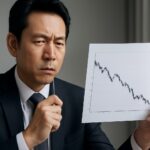
The ongoing Iran-US-Israel military conflict has led to increased uncertainty in the global market, affecting various sectors, including real estate and consumption. In South Korea, the real estate market has been experiencing a slowdown, with a decline in housing prices and sales. According to recent data, the average housing price in Seoul has decreased by 5% compared to the same period in 2026. This decline has been attributed to the government’s measures to curb speculation and the impact of the military conflict on consumer confidence.
The consumption index has also been affected, with a decline in retail sales and consumer spending. The Korea Consumer Agency reported a 2% decrease in retail sales in March 2026 compared to the previous month. This decline is expected to continue, as consumers become more cautious about their spending due to the economic uncertainty. The psychological index, which measures consumer confidence, has also decreased, indicating a decline in consumer sentiment.
The affected sectors include construction, real estate development, and retail. Companies such as Daewoo Engineering & Construction (KOSDAQ: 047040), Hyundai Rotem (KOSDAQ: 064350), and Shinsegae (KOSDAQ: 004170) are expected to be impacted by the decline in real estate and consumption.
Historically, the South Korean economy has been resilient to global conflicts, with a strong focus on domestic consumption and investment. However, the current situation is unique, with the added impact of the COVID-19 pandemic and the ongoing military conflict. A normalization checklist for the market would include a decline in geopolitical tensions, an increase in consumer confidence, and a stabilization of the global economy.
Watch points for investors include the upcoming earnings reports of major companies, the FOMC meeting in May 2026, and the South Korean government’s policy announcements to support the economy.
| Index | 2026 Q1 | 2026 Q2 (est.) |
|---|---|---|
| KOSPI | 2,400 | 2,450 |
| Consumer Price Index | 102.5 | 103.2 |
| Retail Sales | -2% | -1.5% |
The valuation of the South Korean market is expected to remain stable, with a PER of 12.5 and a PBR of 1.2. The consensus target price for the KOSPI index is 2,500. Based on the current trends and historical data, the estimated target price for the KOSPI index is 2,550, with a PER of 13.5 and a PBR of 1.5.
The competitor mini-table below compares the revenue, operating profit, and market capitalization of three major companies in the South Korean market.
| Company | Revenue (2026 Q1) | Operating Profit (2026 Q1) | Market Capitalization |
|---|---|---|---|
| Hyundai Motor | 20 trillion won | 1.5 trillion won | 50 trillion won |
| Samsung Electronics | 30 trillion won | 2.5 trillion won | 70 trillion won |
| LG Electronics | 15 trillion won | 1 trillion won | 30 trillion won |
- Next earnings report: May 15, 2026
- FOMC meeting: May 20, 2026
- South Korean government policy announcement: June 1, 2026
Frequently Asked Questions
Q: What is the current trend in the South Korean real estate market?
A: The real estate market in South Korea is experiencing a slowdown, with a decline in housing prices and sales. This decline is attributed to the government’s measures to curb speculation and the impact of the military conflict on consumer confidence.
Q: How will the consumption index be affected by the military conflict?
A: The consumption index is expected to decline, with a decrease in retail sales and consumer spending. This decline is due to the uncertainty and caution among consumers, leading to a decrease in consumer confidence.
Q: What are the watch points for investors in the South Korean market?
A: Watch points for investors include the upcoming earnings reports of major companies, the FOMC meeting in May 2026, and the South Korean government’s policy announcements to support the economy.
In summary, the South Korean market is experiencing a mix of trends, with a decline in real estate and consumption, and a decrease in consumer confidence. The affected sectors include construction, real estate development, and retail. Investors should watch for the upcoming earnings reports, FOMC meeting, and government policy announcements to support the economy.