이 포스팅은 쿠팡 파트너스 활동의 일환으로, 이에 따른 일정액의 수수료를 제공받습니다.
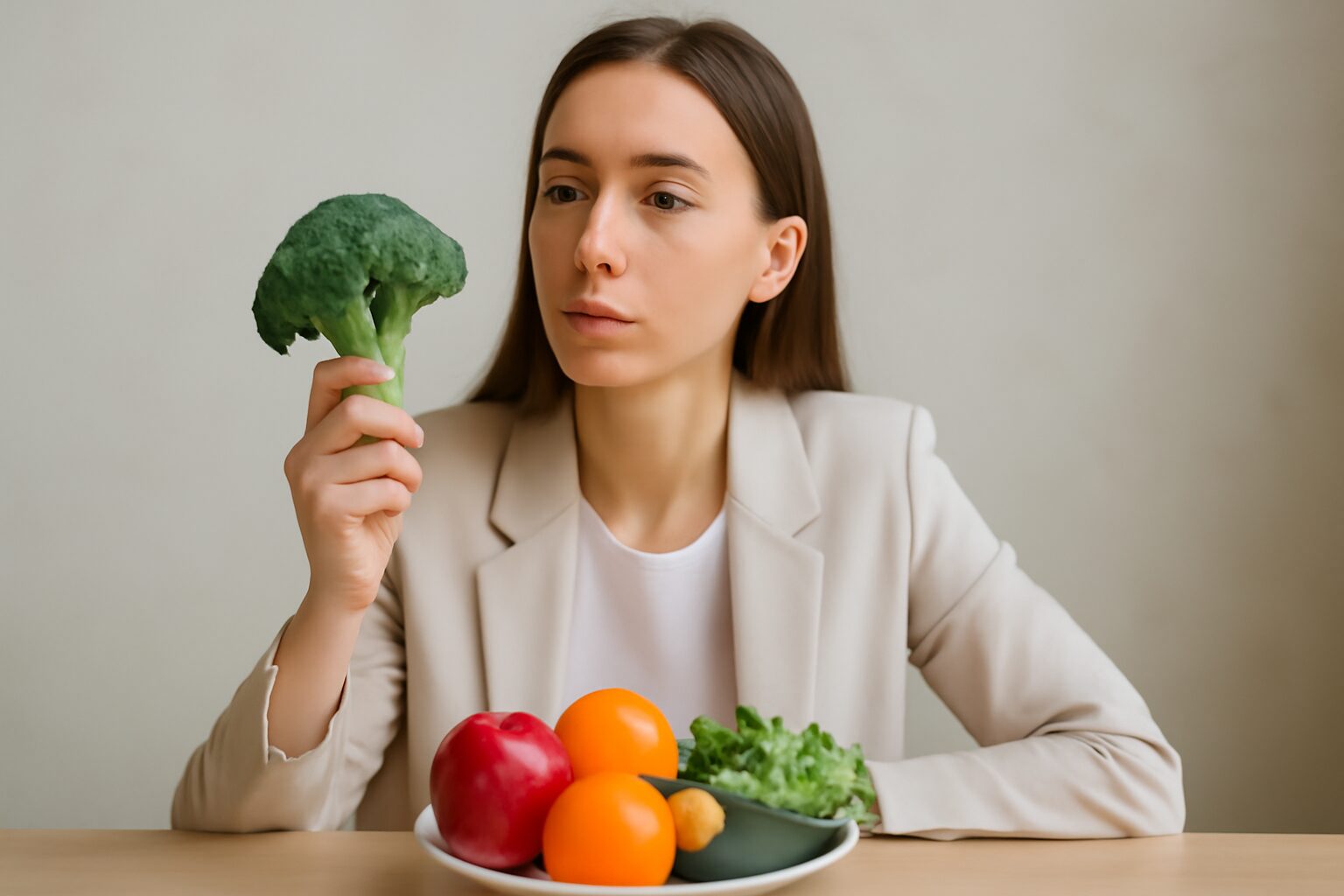
Did you know that your favorite fast food meal could contain ingredients that were once considered toxic or downright bizarre? It might sound like a marketing gimmick, but the truth is stranger—and more fascinating—than you could imagine. Some of the most common ingredients in your daily diet have origins rooted in ancient medicine, wartime scarcity, or even experimental science. Buckle up, because what you’re about to discover might make you see your plate in a whole new light.
1. The Secret History of MSG: From Poison to Flavor Enhancer
Most people have a love-hate relationship with monosodium glutamate (MSG). Some swear it causes headaches, while others praise it for enhancing flavor. But did you know that MSG was once considered a dangerous toxin? In fact, during the 1960s, MSG was dubbed the “Chinese Restaurant Syndrome,” with anecdotal reports of numbness and heart palpitations. Science, however, told a different story.
In 2015, a comprehensive review published in the Journal of Food Science concluded that MSG is generally safe for consumption. So, how did a substance once feared become a staple in your favorite snacks? The twist: It was actually developed during WWII as a way to boost the flavor of rationed foods. Turns out, research scientist Kikunae Ikeda at Tokyo Imperial University discovered that glutamate naturally occurs in seaweed. His breakthrough led to the creation of MSG, which was initially used as a preservative and flavor enhancer for military and commercial foods.
Can you guess what happened next? The food industry embraced MSG because it could make cheap ingredients taste richer, leading to a global shift in flavoring techniques.
2. The Unlikely Origins of Your Favorite Sweetener
Artificial sweeteners like aspartame, sucralose, and saccharin are found in dozens of products—from diet sodas to sugar-free gum. Many believe they’re a modern invention, but their history is deeply intertwined with desperation, experimentation, and even wartime science.
Take saccharin, for example. It was discovered in 1879 by accident when chemist Constantin Fahlberg was working on coal tar derivatives. He noticed his bread tasted unusually sweet—an unintended byproduct. During World War I, sugar shortages prompted manufacturers to ramp up saccharin production as a substitute, leading to its widespread adoption.
Fast forward to the 1960s, when studies hinted that aspartame might be linked to cancer. This prompted a wave of public concern. But here’s where it gets interesting: subsequent research and regulatory reviews have largely cleared these fears. The FDA approved aspartame in 1981, and today it’s one of the most scrutinized and safest artificial sweeteners, according to the FDA and WHO.
Could it be that your “healthy” diet soda is actually a product of wartime innovation and scientific evolution? The answer is yes—and there’s more behind the scenes.
3. The Surprising Link Between Preserved Food and Space Travel
Ever wonder why some of the most popular preserved foods—think dried fruits, jerky, and vacuum-sealed meals—are loved by astronauts? Turns out, the history of food preservation is as exciting as space exploration itself.
Before NASA sent humans into orbit, scientists had to figure out how to keep food safe and nutritious for long durations. In the 1960s, the development of freeze-drying and vacuum sealing revolutionized not just space travel but also everyday food storage. But here’s the twist: the techniques were first perfected for military rations during WWII. Soldiers in the field needed lightweight, non-perishable food.
Fast-forward to today, and these preservation methods are used for camping trips, disaster preparedness, and even gourmet snacks. The technology allows food to retain over 90% of its nutritional value—making it not only convenient but also surprisingly healthy.
Interestingly, recent experiments have involved astronauts growing their own vegetables on the International Space Station using hydroponic systems. Can you imagine a future where space-grown food becomes mainstream on Earth? The line between science fiction and reality is blurrier than ever.
4. The Hidden Power of Spices: Ancient Remedies in Your Curry
Spices like turmeric, ginger, and cinnamon are more than just flavor boosters—they’re ancient remedies with scientific backing. But what surprises most is how their popularity has surged in recent years, driven by research linking them to health benefits.
Take turmeric, for instance. Used for thousands of years in Ayurvedic medicine, it was traditionally believed to have anti-inflammatory properties. Recent studies have shown that curcumin, its active compound, might help in fighting chronic inflammation and even certain cancers. Yet, here’s where it gets interesting: the bioavailability of curcumin is low, meaning your body absorbs only a tiny fraction.
So, some brands now add black pepper to turmeric-laden products to boost absorption—a perfect example of ancient wisdom meeting modern science. Moreover, cinnamon’s role in regulating blood sugar has prompted its inclusion in everything from teas to baked goods, with some research indicating a 20% reduction in blood sugar spikes after meals.
Could your everyday spice cabinet be a treasure trove of wellness? The answer is a resounding yes, and the science is just beginning to uncover its full potential.
5. The Dark Side of Food Coloring: From Artistic Flourish to Controversy
Bright reds, vibrant blues, and neon greens—food coloring makes everything pop on the plate. But did you know that some of these dyes have dark histories linked to toxicity, political agendas, and even wartime shortages?
For example, the artificial dye Red 40, widely used in candies and beverages, has faced scrutiny over links to hyperactivity in children. It was originally developed from coal tar—a substance associated with industrial waste—and gained popularity during WWII when synthetic dyes replaced natural counterparts scarce during wartime.
In contrast, some natural colorings, like beet juice or turmeric, have surged back into favor as consumers seek cleaner labels. But here’s the twist: some natural dyes also have their own controversies. Carmine, derived from crushed beetles, provides a red hue but raises ethical questions for vegetarians and vegans.
So, the next time you see a brightly colored snack, consider this: what’s really in it, and what historical forces have shaped its appearance?
6. How Food Trends Flip Flopped from Fad to Forever
Salt, sugar, and processed ingredients once dominated the American palate. Today, we’re witnessing a renaissance in whole foods, plant-based diets, and fermented treats. But the fascinating part? Many of these “healthy” foods were once considered bizarre or even dangerous.
Take fermented foods like kimchi and sauerkraut. In the 19th century, they were seen as poor man’s fare or even unappetizing. Now, they’re hailed for probiotics and gut health. Conversely, foods like margarine, once touted as a healthier butter substitute, faced backlash after studies linked its trans fats to heart disease.
What caused these shifts? Sometimes, scientific research, cultural movements, or even celebrity endorsements fueled the change. For example, the rise of vegetarianism in the 1970s popularized plant-based proteins like tofu, once considered exotic and unappetizing.
Are today’s food fads just fleeting trends, or are they the result of deeper shifts in our understanding of health and taste? The answer may surprise you.
7. The Future of Food: Lab-Grown Meats and Edible Insects
While we enjoy our traditional meals, a quiet revolution is taking shape—one that could redefine what we eat in the next decade. Lab-grown meat, insect protein, and algae-based foods are no longer science fiction but emerging industries with massive potential.
Lab-grown chicken nuggets have already been demonstrated in pilot programs, and companies like Mosa Meat claim their products are identical to conventional meat in taste and texture. But here’s the twist: the environmental benefits could be staggering—reducing greenhouse gases by up to 96%.
Similarly, edible insects like crickets are packed with protein, require minimal resources, and have been part of traditional diets in Africa, Asia, and Latin America for centuries. Yet, Western markets are only just opening up to these options, driven by sustainability concerns.
Can you imagine a future where your burger contains cells grown in a lab or your snack is made from crushed crickets? The lines between traditional and innovative foods are blurring faster than you think.
So, what does all this mean for your plate? The world of food is a tapestry woven from history, science, culture, and innovation—much more complex than a simple bite. And here’s the kicker: the next revelation is hiding just around the corner, waiting to reshape what you consider “normal” in your kitchen.
Brace yourself—because the most surprising culinary breakthroughs are yet to come, and understanding their origins might just change the way you eat forever.
Frequently Asked Questions
Q: What are some surprising health benefits of eating colorful fruits and vegetables?
A: Colorful fruits and vegetables are rich in antioxidants and phytochemicals that can boost immunity, reduce inflammation, and decrease the risk of chronic diseases. Their vibrant hues indicate a variety of nutrients essential for overall health.
Q: How does the fermentation process enhance the nutritional value of foods like yogurt and kimchi?
A: Fermentation introduces beneficial probiotics that improve gut health and aid digestion, while also increasing the bioavailability of certain nutrients and adding unique flavors to the foods.
Q: Why is umami considered the fifth taste, and which foods are known for this flavor?
A: Umami is recognized as the fifth taste because of its savory, meaty flavor profile, detected by specific taste receptors on the tongue. Common umami-rich foods include aged cheese, soy sauce, mushrooms, and cured meats.
This article was written with the assistance of AI. While we strive for accuracy, information may contain errors. Please verify important details from official sources.