이 포스팅은 쿠팡 파트너스 활동의 일환으로, 이에 따른 일정액의 수수료를 제공받습니다.
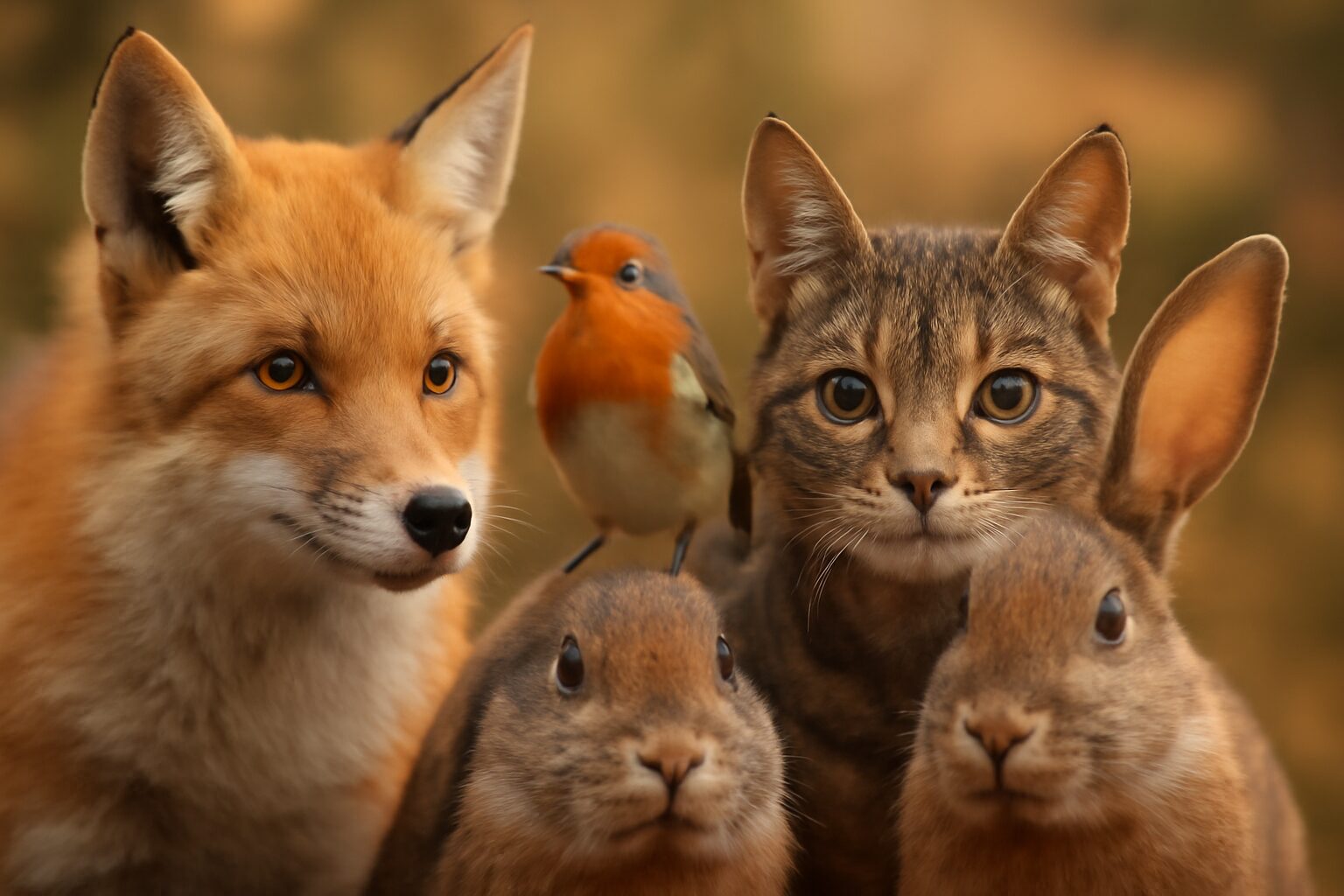
Imagine you’re on a peaceful hike in the wilderness when suddenly, a flash of fur darts past you. It’s not just any animal — it’s a creature so intriguing, so full of surprises, that it leaves you pondering the incredible diversity of life on Earth. From the mysterious depths of the oceans to the hidden corners of the forests, animals continue to astonish us with their remarkable adaptations, behaviors, and survival strategies. Today, we’re diving into an eye-opening exploration of some of the most fascinating animals you’ve probably never heard of — or maybe just underestimated. Ready to uncover nature’s hidden gems? Let’s get started!
Unusual Adaptations That Defy Expectations
The Mimic Octopus: Master of Disguise
One of the most astonishing animals in the ocean is the mimic octopus (Thaumoctopus mimicus). Discovered only in 1998 off the coast of Indonesia, this cephalopod isn’t just a master of camouflage; it actively impersonates other marine animals to evade predators. It can imitate the appearance and behavior of dangerous species like lionfish, flatfish, and sea snakes.
Imagine being a predator and seeing a creature that looks and moves exactly like a venomous lionfish. The mimic octopus can transform its body in seconds using specialized skin cells called chromatophores, allowing it to change color and texture. Its ability to mimic multiple species is a brilliant evolutionary strategy that reduces its chances of predation.
**Actionable Tip:** When exploring tide pools or coral reefs, keep an eye out for octopuses with the ability to change color rapidly. They can be hiding in plain sight, blending seamlessly with their surroundings.
The Immortal Jellyfish: Aging Backwards
Science fiction becomes reality with the Turritopsis dohrnii, commonly known as the “immortal jellyfish.” Found in oceans worldwide, this creature has the unique ability to revert its cells to an earlier stage once it reaches maturity, effectively avoiding death from aging.
When faced with injury or environmental stress, the immortal jellyfish can revert from its mature medusa stage back to a polyp — the earliest stage of its life cycle. This process, called transdifferentiation, allows it to cycle through its life stages endlessly, barring predation or disease.
**Interesting fact:** Researchers are studying this process for potential applications in regenerative medicine and aging research. Imagine a future where human aging could be similarly reversed!
Behavioral Marvels and Survival Tactics
Elephants: The Gentle Giants with Extraordinary Memory
Elephants are not just the largest land mammals; they are also among the most intelligent animals on Earth. Their impressive memory enables them to remember water sources over hundreds of miles and recognize individual humans and animals for decades.
In drought-prone regions, elephants often travel great distances following their memory of waterholes. They also display complex social behaviors, mourning their dead and cooperating in groups to find food and protection. Studies show that elephants can recognize themselves in mirrors, a sign of self-awareness rarely found in animals.
**Tip:** Protecting elephant habitats is crucial for maintaining their population and ecological roles. Supporting conservation efforts can help preserve these intelligent giants and their vital contributions to biodiversity.
Fireflies: Nature’s Bioluminescent Light Show
Many of us have marveled at the glowing dance of fireflies on warm summer nights. But did you know that firefly flashing isn’t just for show? It’s a sophisticated communication system used to attract mates and deter predators.
Different species have unique flash patterns, with some synchronized flashing over entire fields — a mesmerizing display known as “firefly synchronization.” For example, populations of *Phausis reticulata* in Southeast Asia synchronize their flashes in perfect unison, creating waves of light that can last for minutes.
**Actionable tip:** If you want to enjoy fireflies in your backyard, reduce light pollution and avoid pesticides. Creating a dark, pesticide-free environment invites these enchanting creatures to visit and thrive.
Unique Reproductive Strategies and Social Structures
Poison Frogs: The Deadly but Adorable Reproductives
Poison frogs, such as the golden poison frog (*Phyllobates terribilis*), are not only visually stunning but also possess potent toxins in their skin. Interestingly, many species have evolved complex reproductive behaviors that protect their offspring from predators and environmental hazards.
Some poison frogs lay their eggs in hidden locations, and after hatching, the parents transport tadpoles on their backs to aquatic environments rich in food. The poison in their skin provides a defense mechanism, but their reproductive strategies ensure the survival of their young in dangerous habitats.
**Tip:** Conservation efforts for poison frogs focus on habitat preservation, as deforestation threatens their delicate ecosystems and this extraordinary reproductive cycle.
Meerkats: Cooperative Survival Experts
Native to the deserts of Southern Africa, meerkats are a prime example of social animals working together for survival. They live in tight-knit groups called mobs or clans, where every member has a role — from sentinels on watch for predators to babysitters caring for the young.
Meerkats also have a unique way of communicating danger, using a variety of vocalizations and body language. When a sentinel spots a predator, it emits alarm calls, and the entire group quickly dives into burrows for safety.
**Actionable tip:** Observing meerkats in the wild can teach us about teamwork and communication strategies that could be applied to human group dynamics and organization.
Incredible Animal Intelligence and Communication
Corvids: The Brainy Birds
Crows, ravens, and other corvids are renowned for their problem-solving skills and complex communication. In studies, crows have demonstrated the ability to use tools, recognize human faces, and even plan for the future.
For instance, New Caledonian crows craft and use sticks to extract insects from tree bark — a behavior once thought to be uniquely human. Researchers have observed crows dropping nuts onto roads to crack them open, waiting for cars to pass to retrieve the food safely.
**Tip:** To attract clever birds like crows and improve your backyard ecosystem, provide diverse food sources, water, and nesting sites.
Whales: The Deep-Singing Giants
Whales communicate across vast ocean distances using complex songs that can last for hours. Humpback whales, in particular, are known for their mesmerizing vocalizations, which are believed to play roles in mating and social cohesion.
Scientists have recorded whale songs traveling over 1,000 miles underwater, demonstrating the incredible range of their communication. These songs also evolve over time, suggesting cultural transmission among whale populations.
**Actionable tip:** Supporting ocean conservation helps preserve these vital communication networks, essential for whale survival and the health of marine ecosystems.
Key Takeaways
- Animals possess extraordinary adaptations—like mimicry and bioluminescence—that enhance their survival in diverse habitats.
- Behavioral complexity, from elephants’ memory to fireflies’ synchronized flashing, showcases the intelligence and social strategies of animals.
- Conservation efforts are critical; understanding and protecting these unique species ensures Earth’s rich biological tapestry remains intact for future generations.
Animals are not just fascinating creatures; they are intricate beings with behaviors and adaptations that continue to surprise scientists and nature lovers alike. By learning about their unique survival tactics and intelligence, we not only deepen our appreciation for the natural world but also gain insights that can inspire conservation and innovation. Whether it’s the shy mimic octopus, the aging-reversing jellyfish, or the socially complex meerkats, every animal story reminds us of the incredible diversity and resilience of life on Earth. So next time you see a creature in the wild, take a moment to consider the extraordinary story it might be part of — and remember, nature’s marvels are often hiding in plain sight.
This article was written with the assistance of AI. While we strive for accuracy, information may contain errors. Please verify important details from official sources.