이 포스팅은 쿠팡 파트너스 활동의 일환으로, 이에 따른 일정액의 수수료를 제공받습니다.
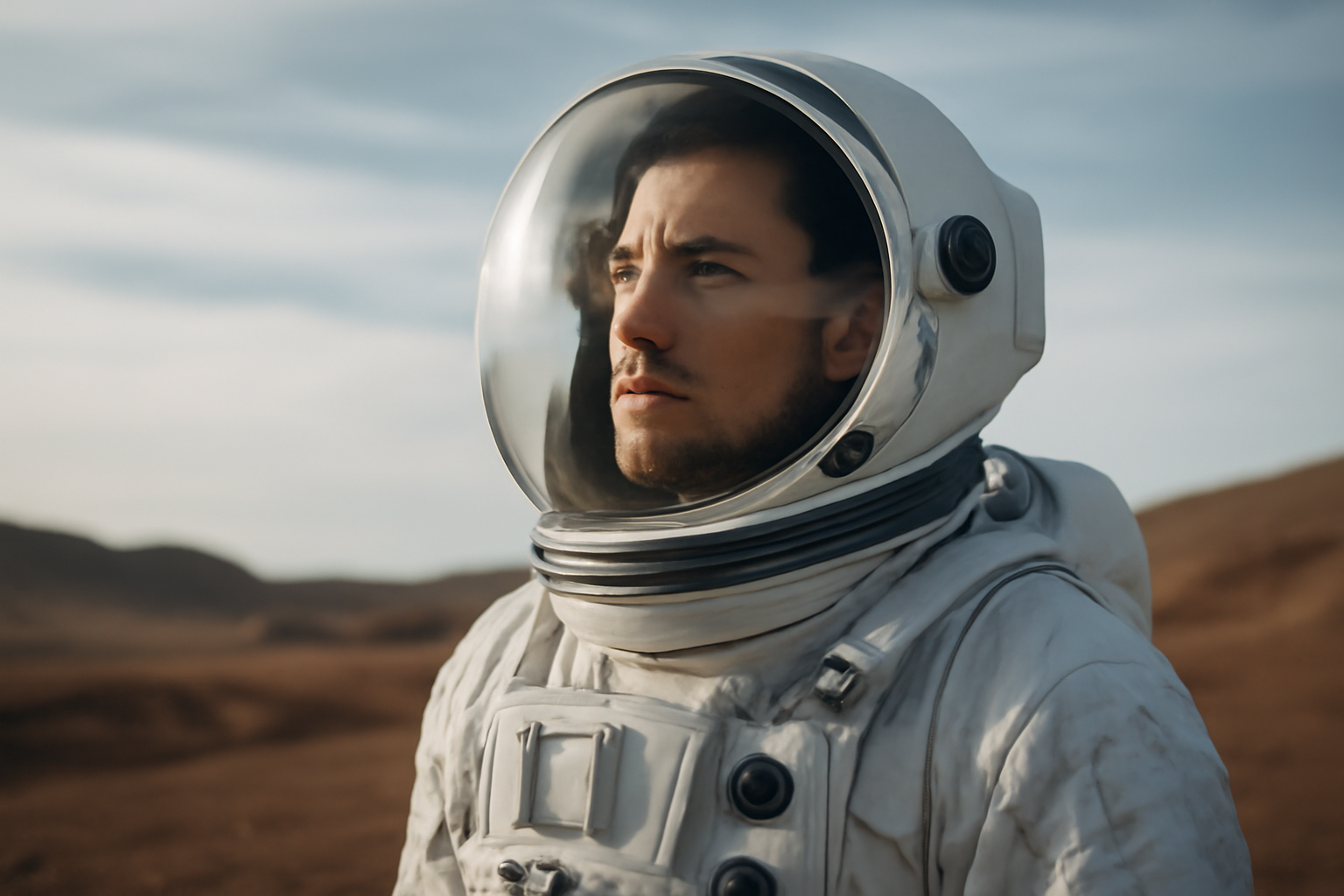
Imagine a day when humans no longer gaze up at the stars with wonder, but instead step onto distant planets, carving out new homes amidst alien landscapes. The idea of living on another planet has long fascinated us—fueling science fiction stories, inspiring space agencies, and igniting hopes of becoming an interplanetary species. But is it actually possible? Could we as humans truly survive and thrive beyond Earth? Or are we destined to remain celestial explorers forever dreaming from our blue planet? In this post, we’ll delve into the current scientific landscape, explore the challenges, and examine what it takes to make the idea of living on another planet a reality.
Understanding the Possibility: Why Consider Other Planets?
Earth is undeniably unique—our lush atmosphere, liquid water, and protective magnetic field create a perfect cradle for life. Still, with over 8 billion people and finite resources, the planetary pressure cooker is heating up. Climate change, overpopulation, and dwindling natural resources are motivating scientists to look outward. The big question is: are other planets even habitable, or at least capable of being made hospitable?
Current efforts focus mainly on Mars, sometimes called Earth’s “sister planet,” due to its similar size and proximity. But other bodies, like the moons Europa (Europa) and Titan, have intriguing possibilities because of their subsurface oceans and thick atmospheres. Yet, each comes with its own set of issues that make human colonization incredibly challenging. The core of the challenge lies in understanding what it takes to sustain human life in environments vastly different from Earth’s.
The Challenges of Living on Another Planet
1. Harsh Environments and Extreme Conditions
Most planets and moons in our solar system are uninviting at first glance. Mars, our primary target, has an average surface temperature of -80°F (-62°C), with temperatures dropping as low as -195°F (-125°C) at the poles. Its thin atmosphere, composed mainly of carbon dioxide, offers little protection from solar radiation and no breathable air. The surface is dusty, with frequent dust storms that can last months, blocking sunlight and complicating solar power generation.
Similarly, Europa’s subsurface ocean is buried beneath kilometers of ice, and Titan’s thick atmosphere is mostly nitrogen with methane clouds, creating an environment radically different from Earth. Human survival depends on overcoming these environmental extremes.
2. Lack of Essential Resources
On Earth, we have an abundance of water, breathable air, and fertile soil. On Mars, water exists primarily as ice, but extracting it in usable quantities is complex and energy-intensive. The planet’s soil contains perchlorates, toxic chemicals that could pose health risks. Food production would require bringing seeds from Earth or developing closed-loop agricultural systems.
Other celestial bodies may have even scarcer resources, or require huge technological breakthroughs to utilize in-situ materials. Without sustainable access to water, oxygen, and food, long-term habitation remains a distant dream.
3. Radiation Risks
Earth’s magnetic field and atmosphere shield us from harmful cosmic radiation. On Mars, the thin atmosphere offers minimal protection, exposing colonists to radiation levels roughly 200 times higher than on Earth. Prolonged exposure increases the risk of cancer, radiation sickness, and genetic damage.
Solutions like underground habitats, radiation-shielding materials, or active magnetic shielding are being researched, but implementing these at scale is still in experimental phases.
4. Psychological and Social Challenges
Living in an isolated, confined environment can take a toll on mental health. Space agencies have studied astronauts on long missions, noting issues like cabin fever, depression, and interpersonal conflicts. For colonists on another planet, these challenges are magnified by distance from Earth, limited social contact, and the monotony of alien landscapes.
Preparing future colonists with psychological resilience and establishing robust communication links are crucial components for success.
Advances Making Interplanetary Living a Possibility
1. Technological Breakthroughs in Spacecraft and Habitat Design
SpaceX’s Starship, Boeing’s CST-100 Starliner, and NASA’s Artemis program are pushing the boundaries of spacecraft technology. These vehicles aim to carry larger payloads and sustain human life during long journeys.
Innovations in habitat design focus on creating self-sufficient, radiation-shielded environments. Concepts include inflatable modules, using local materials (in-situ resource utilization or ISRU), and constructing underground habitats for protection.
2. Life Support and Closed-Loop Systems
Long-duration missions demand recycling water and air more efficiently than ever. NASA’s International Space Station (ISS) uses systems that recycle approximately 90% of wastewater. Future colonies could expand on this with bioregenerative life support systems, integrating plants to produce oxygen and food simultaneously.
Advancing these systems to be scalable and reliable is a priority. Companies like SpaceX are experimenting with habitats that incorporate advanced filtration, hydroponics, and waste recycling to create sustainable ecosystems.
3. In-Situ Resource Utilization (ISRU)
The idea of using local resources to produce essentials like water, oxygen, and fuel is revolutionary. For instance, NASA’s MOXIE experiment on Mars demonstrated extracting oxygen from the planet’s CO₂-rich atmosphere.
Scaling ISRU could reduce the need to transport everything from Earth, dramatically decreasing costs and logistical complexity.
4. Biological and Genetic Engineering
Advances in biotech could help humans adapt to extraterrestrial environments. Genetic modifications might enhance radiation resistance, improve stress tolerance, or enable crops to grow in unfamiliar conditions. CRISPR and synthetic biology are paving the way for designing resilient life forms.
While still in early stages, these innovations could be game-changers for long-term habitation.
Realistic Timeframes and Actionable Steps
So, when might humanity realistically live on another planet? Experts suggest colonizing Mars could happen within the next 20-30 years if current technological and financial commitments accelerate. However, establishing fully sustainable, self-sufficient colonies might take a century or more.
For individuals interested in contributing to this endeavor, here are some actionable tips:
- Educate yourself in STEM fields: Focus on aerospace engineering, biology, environmental science, or robotics.
- Follow space agency projects: Stay updated on NASA, SpaceX, ESA, and other organizations’ Mars plans.
- Support space initiatives: Participate in citizen science projects or advocate for increased funding and policy support for space exploration.
- Develop practical skills: Learn about renewable energy, sustainable farming, or 3D printing—skills that will be crucial in extraterrestrial habitats.
- Stay curious and adaptable: The journey to living on another planet will require innovation, resilience, and collaboration.
Key Takeaways
Living on another planet is technically conceivable, but it presents formidable environmental, logistical, and biological challenges. Advances in spacecraft technology, life support systems, ISRU, and biotech are paving the way, but decades of research and investment are still needed.
While the dream of interplanetary colonization is within reach, it requires global collaboration, innovation, and perseverance. For now, Earth remains our best home, but the future might hold a second Earth—or many—to ensure our species’ survival.
Embarking on the journey to inhabit other worlds is as much about human ingenuity as it is about technological progress. Whether we’ll step onto Mars within our lifetime or settle far beyond, one thing is certain: the quest to live among the stars continues to inspire and challenge us all to think bigger, reach further, and dream bolder.
This article was written with the assistance of AI. While we strive for accuracy, information may contain errors. Please verify important details from official sources.